

A provision is a liability or reduction in the value of an asset that an entity elects to recognize now, before it has exact information about the amount involved. For example, an entity routinely records provisions for bad debts, sales allowances, and inventory obsolescence. Less common provisions are for severance payments, asset impairments, and reorganization costs. These are potential obligations that aren’t related to your core business operations. They’re contingent because they liabilities in accounting depend on future events, like regulatory fines or litigation outcomes.
What is considered an asset?
By mastering your accounting liability accounts, you’re not just keeping accurate books—you’re building a foundation for informed decision-making and sustainable growth. This often happens with pending lawsuits where the outcome is uncertain. Expenses, on the other hand, are more like the cost of doing business. They represent resources you’ve already consumed to generate revenue during a specific period.

Join the 2000+ businessessimplifying their finance with Alaan
- This is measured by comparing your total liabilities to your total assets.
- Finally, watch out for off-balance-sheet arrangements that create effective liabilities without appearing on your balance sheet.
- The performance of the seller that will create the obligation on the part of the buyer is, at this point, a future transaction.
- By automating approvals and integrating seamlessly with accounting software like Xero and QuickBooks, Alaan ensures accurate liability tracking and timely settlements.
- This ratio focuses on how much of a company’s long-term liabilities are financed by its total assets.
- These are short-term liabilities that help you manage the day-to-day financial obligations of your business.
Liabilities are one of the important components of a balance sheet, yet they are often tricky to understand. You might also deal with post-employment benefits, like retirement plans owed to workers. Warranty liability from product repairs could also count as a non-current liability in some industries. Leveraging AI Automation, Alaan ensures accurate reconciliation, categorisation of liabilities, and seamless integration with accounting platforms like Xero and QuickBooks. With Expense Management, you can set spending limits, automate approvals, and track every payment to ensure timely settlements and reduce the risk of default.
What is the difference between current liabilities and long-term liabilities?

The time span Mental Health Billing within which current liabilities are expected to be paid and long-term liabilities are settled is the fundamental difference between current liabilities and long-term liabilities. The prompt nature of these liabilities makes them crucial for managing a company’s working capital. The debt-to-income ratio shows how much of your income goes to paying debts.
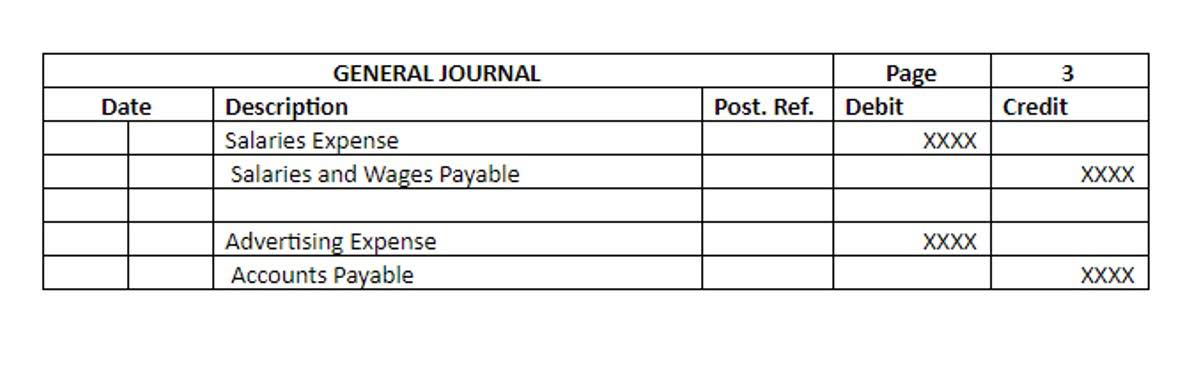
Different types of liabilities in accounting

Companies issue bonds as a form of borrowed capital that must be paid back with interest over an extended period. Long-term debt can significantly impact a company’s debt-to-equity ratio and affect its ability to generate cash flows for meeting operational needs. Liabilities play a crucial role in financing operations, facilitating transactions between businesses, and impacting financial performance in various ways.
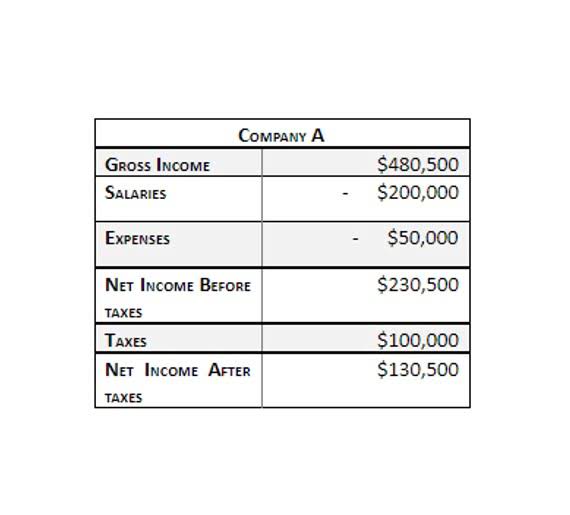
Pension obligations are crucial to understanding a company’s commitment to QuickBooks its employees and the potential strain on future resources. Accurately accounting for pension obligations can be complex and may require actuarial valuations to determine the present value of future obligations. They’re like financial band-aids—useful in the short term but not a long-term fix.