
The Allure of Casino Environments
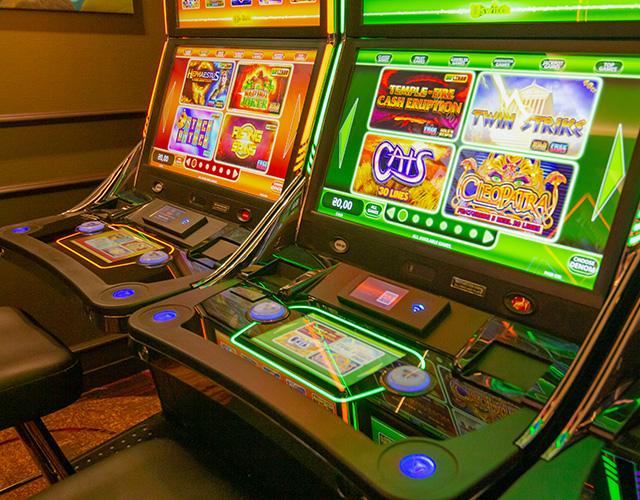
The environments of casinos are meticulously designed to evoke excitement, entice players, and encourage them to stay longer. Bright lights, vivid colors, and captivating sounds create an immersive atmosphere that stimulates the senses. This sensory overload is not accidental; it plays a critical role in attracting players and keeping them engaged. The psychological impact of these elements leads to the phenomenon known as “the gambler’s fallacy,” where players feel an emotional connection to the game, which is often reflected in their choice of best crypto casinos.

The layout of a casino also plays a significant role in player behavior. The absence of clocks and windows creates a sense of timelessness, allowing players to lose track of time. This carefully crafted illusion encourages individuals to continue wagering, as they often do not realize how much time they have spent playing. This design strategy taps into the psychology of players, heightening their hunger for engagement and risking more in the process.
The Role of Cognitive Biases
Cognitive biases significantly influence gambling behavior, affecting how players perceive odds and outcomes. One common cognitive bias is the illusion of control, where players believe that they can influence the outcome of a game, particularly in games of chance like roulette or slot machines. This belief can lead to increased playing and greater financial risk, as players might overestimate their ability to win.
Another noteworthy bias is the “near miss” effect, where players experience heightened arousal and excitement when they almost win. This sensation often leads to continued play, as players feel that victory is just within reach. The combination of these biases creates a compelling psychological cocktail that entices players to engage in gambling behavior, often disregarding the statistical realities of their odds.
Emotional Motivations Behind Gambling
Emotions play a pivotal role in the motivations behind gambling. Many players seek the thrill and excitement that come from betting, as the potential for large winnings triggers intense feelings of joy and adrenaline. For some, this emotional high can be addictive, leading them to gamble more frequently in pursuit of that euphoric rush.
Additionally, gambling can serve as a means of escapism for individuals dealing with stress or personal issues. Players might turn to casino games as a way to temporarily escape their everyday lives, allowing them to experience a sense of freedom and exhilaration. However, this coping mechanism can lead to a problematic relationship with gambling, as the line between entertainment and addiction becomes blurred.
Social Influences on Gambling Behavior
The social environment surrounding gambling can significantly affect players’ behavior and decision-making processes. Many individuals gamble in groups or alongside friends, enhancing the overall experience. This social aspect fosters a sense of camaraderie and shared excitement, as players encourage one another and celebrate wins together. Social reinforcement plays a major role in driving continued participation in gambling activities.
<p.On the flip side, peer pressure can also lead to negative gambling behavior. In social settings, individuals might feel compelled to place larger bets or continue playing longer than they intended in order to conform to group expectations. This phenomenon highlights the dual nature of social influences in gambling, where the desire for connection can both enhance enjoyment and inadvertently lead to risky behavior.
Ensuring a Safe Gambling Environment
<p.As the interest in gambling and casino games continues to grow, ensuring a safe and secure experience for players is paramount. This includes implementing measures that protect players from online threats and ensuring the integrity of games and transactions. Players should be aware of the importance of playing responsibly while being mindful of the psychological factors at play.
A focus on responsible gambling practices is essential for maintaining healthy player engagement. Casinos and gambling establishments can provide resources and support to help players recognize signs of problematic gambling behavior. By prioritizing player well-being, the industry can cultivate a more enjoyable and secure environment for all bettors, fostering positive experiences while safeguarding against potential risks.