
Understanding the Psychology of Gambling
Gambling is a complex human behavior driven by a multifaceted interplay of psychological factors. At its core, it taps into our innate desire for reward, risk, and the thrill of the unknown. Understanding these psychological underpinnings is crucial for any individual seeking to engage with gambling responsibly and, for some, to improve their outcomes. This involves recognizing the allure of potential financial gain, often termed “legitimate cash,” which acts as a powerful motivator, alongside the thrill of spinlegend and the emotional rollercoaster of wins and losses.
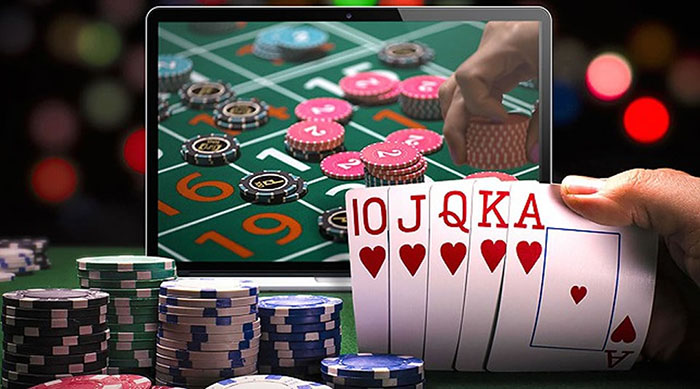
Key psychological elements at play include cognitive biases, such as the illusion of control or the gambler’s fallacy, which can distort rational decision-making. Furthermore, emotional states like excitement, anxiety, and even boredom can significantly influence betting patterns and risk tolerance. A deep dive into these psychological nuances allows for a more informed approach to the gaming experience, fostering a mindset geared towards strategic engagement rather than impulsive action.
Cognitive Biases and Gambling Decisions
Cognitive biases are systematic deviations from norm or rationality in judgment, and they profoundly affect how gamblers perceive probabilities and make decisions. For instance, the “near miss” phenomenon, where a player narrowly misses a winning combination, can create a false sense of impending success, encouraging further play. Similarly, the “illusion of control” leads individuals to believe they can influence random outcomes through skill or ritual, despite the inherent randomness of most casino games.
Recognizing these biases is the first step toward mitigating their impact. Awareness of the gambler’s fallacy, the mistaken belief that past independent events influence future ones (e.g., believing a roulette wheel is “due” for a certain color after a streak), can prevent irrational betting. By actively challenging these ingrained thought patterns, players can approach the game with a clearer, more objective perspective, making choices based on statistical reality rather than psychological trickery.
Emotional Regulation and Responsible Play
Emotions play a pivotal role in the gambling experience, often dictating the progression of a session. The euphoria of a win can lead to overconfidence and increased stakes, while the frustration of a loss can trigger impulsive attempts to recoup funds, often with even higher stakes. Mastering emotional regulation is therefore as vital as understanding game mechanics for anyone looking to pursue legitimate cash through gambling.
Developing strategies to manage emotions is essential for responsible gambling. This includes setting clear limits on both time and money, and sticking to them regardless of emotional fluctuations. Taking breaks, practicing mindfulness, and recognizing when emotions are becoming overwhelming can help prevent detrimental decisions. A calm and collected mindset ensures that each bet is a calculated one, rather than an emotional reaction.
The Role of Strategy in Gambling Psychology
While many casino games rely heavily on chance, psychological strategy can still play a significant role in a player’s overall success and enjoyment. This isn’t about predicting random outcomes, but rather about managing one’s own mindset, resources, and approach to the game. A strategic approach involves understanding the house edge, knowing when to walk away, and employing bankroll management techniques to prolong gameplay and reduce risk.
Furthermore, a strategic gambler understands that continuous learning and adaptation are key. This might involve studying optimal strategies for games like blackjack or poker, or simply learning to identify patterns in one’s own playing habits that might be detrimental. By applying a reasoned, strategic framework, players can transform an often emotionally charged activity into a more controlled and potentially rewarding pursuit.

Spinlegend: Enhancing Your Gambling Psychology Journey
Spinlegend Casino offers a dynamic platform where players can explore a wide array of popular casino games, including slots and live dealer options, providing ample opportunities to apply psychological insights in a controlled environment. The platform is designed to deliver engaging entertainment, catering to diverse player preferences, from classic table games to exciting new releases. This variety allows players to experiment with different game types and observe how their own psychological responses manifest.
By joining Spinlegend, players can also benefit from exclusive promotions and bonuses, which can be strategically managed to enhance their playing sessions. The key to leveraging these offers lies in applying the principles of responsible gambling and psychological awareness. Registering with Spinlegend opens the door to a world of gaming excitement, where mastering gambling psychology can be a continuous and rewarding endeavor, contributing to the pursuit of legitimate cash in a thoughtful and strategic manner.