
The Allure of the Unpredictable
Casino gambling taps into a fundamental human desire for excitement and the thrill of the unknown. The very nature of games of chance, where outcomes are uncertain, creates a potent psychological cocktail. This unpredictability is key to the addictive nature of gambling, as the potential for a significant win, however slim, keeps players engaged and hopeful. The anticipation before a spin of the roulette wheel or the reveal of a poker hand triggers the release of dopamine, a neurotransmitter associated with pleasure and reward, reinforcing the gambling behavior. Many players find that the excitement of potentially winning big at spinfin casino is a major draw.

This psychological draw is amplified by the sensory environment of a casino. Bright lights, the sound of slot machines chiming, and the general buzz of activity are all designed to immerse players and heighten their emotional state. This creates a state of focused arousal, making it easier to become engrossed in the game and potentially overlook rational decision-making processes. The tangible feel of chips and the social interaction, even at a distance, further contribute to the overall immersive and psychologically stimulating experience offered by casino environments.
Cognitive Biases at Play
Casino gambling is a breeding ground for cognitive biases, mental shortcuts that can lead to irrational thinking. The “gambler’s fallacy,” for instance, is the mistaken belief that if something happens more frequently than normal during some period, it will happen less frequently in the future, or that if something happens less frequently than normal during some period, it will happen more frequently in the future. This is particularly evident at the roulette table, where a player might believe that after several reds, black is “due.”
Another common bias is the “illusion of control,” where players believe they can influence the outcome of random events through skill or superstition. This can manifest in specific betting patterns or rituals. Furthermore, the “near miss” effect, where a player comes very close to winning, can be more psychologically reinforcing than a clear loss, encouraging further play as they feel they were “almost there.” These cognitive distortions are expertly leveraged in casino design and game mechanics to keep players invested.
The Psychology of Risk and Reward
At its core, gambling is about the perceived balance between risk and reward. Casinos are masters at presenting appealing reward structures, often emphasizing the potential for large jackpots. This disproportionate focus on massive wins can distort a player’s perception of the actual odds, making the risk seem less daunting. The intermittent reinforcement schedule – where rewards are given unpredictably – is incredibly powerful in shaping behavior, similar to how slot machines are designed to deliver wins at irregular intervals.
The psychological impact of winning, even small amounts, is significant. It validates the player’s decision to gamble and reinforces the belief in their potential for future success. Conversely, losses can be psychologically taxing, but instead of deterring players, they can sometimes lead to increased risk-taking in an attempt to “break even.” This push-and-pull between the elation of a win and the frustration of a loss is a central element of the gambling psychology, driving continued engagement.
Social Dynamics and Psychological Triggers
Beyond individual psychology, social factors play a crucial role in the gambling experience. Casinos are often designed as social spaces, offering a sense of community and shared excitement. Observing others win can be contagious, fueling a player’s own optimism and desire to participate. The presence of friends or engaging in friendly competition can enhance the overall appeal of gambling, making it a shared recreational activity for some.
Certain game types also trigger specific psychological responses. The fast-paced nature of slot machines, for example, can create a hypnotic effect, while the strategic element of poker can appeal to those who enjoy intellectual challenges and outsmarting opponents. Even the sounds and visual cues associated with different games are calibrated to evoke specific emotional states and encourage extended play, demonstrating a sophisticated understanding of human psychology in casino design.
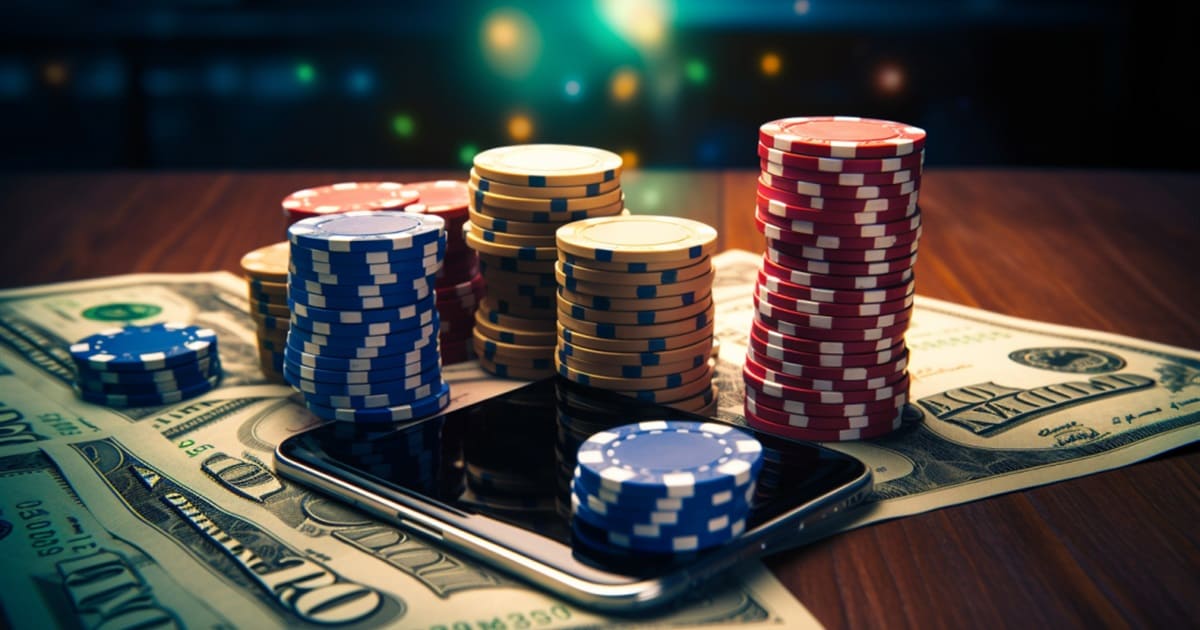
SpinFin: Enhancing the Gambling Experience
SpinFin Online Casino understands the intricate psychological factors that draw players to gambling and aims to provide a captivating and responsible gaming environment. The platform is meticulously designed to offer a thrilling yet secure experience, catering to the desire for excitement and the pursuit of wins. By offering an extensive selection of casino games, from classic table games to modern slots, SpinFin ensures that players can find activities that resonate with their individual psychological preferences for risk and reward.
The secure transaction system and generous bonus offers at SpinFin are crafted to enhance the player’s sense of value and encourage a positive engagement with the platform. This approach acknowledges the psychological importance of feeling secure and being rewarded. Whether seeking the adrenaline rush of a progressive jackpot or the strategic depth of a card game, SpinFin strives to create an environment where players can embark on their winning journey with confidence and enjoyment, recognizing the psychological draw of a well-managed and engaging online casino.