

Torrenting in the UAE: A Comprehensive Guide
Torrenting has gained popularity as a method of sharing and downloading files across the globe. However, in the United Arab Emirates (UAE), where strict internet regulations govern online activities, torrenting is a topic fraught with legal complexities and potential risks. Many users in the UAE are unaware of the penalties associated with torrenting, which can lead to serious legal consequences for those who partake in this activity. To learn more about the possible legal ramifications, you can visit torrenting in UAE https://streetouterwears.com/pages/torrenting-in-uae-penalties-and-risks.html. In this article, we delve into the intricacies of torrenting within the UAE, examining the laws, risks, and safer alternatives.
Understanding Torrenting
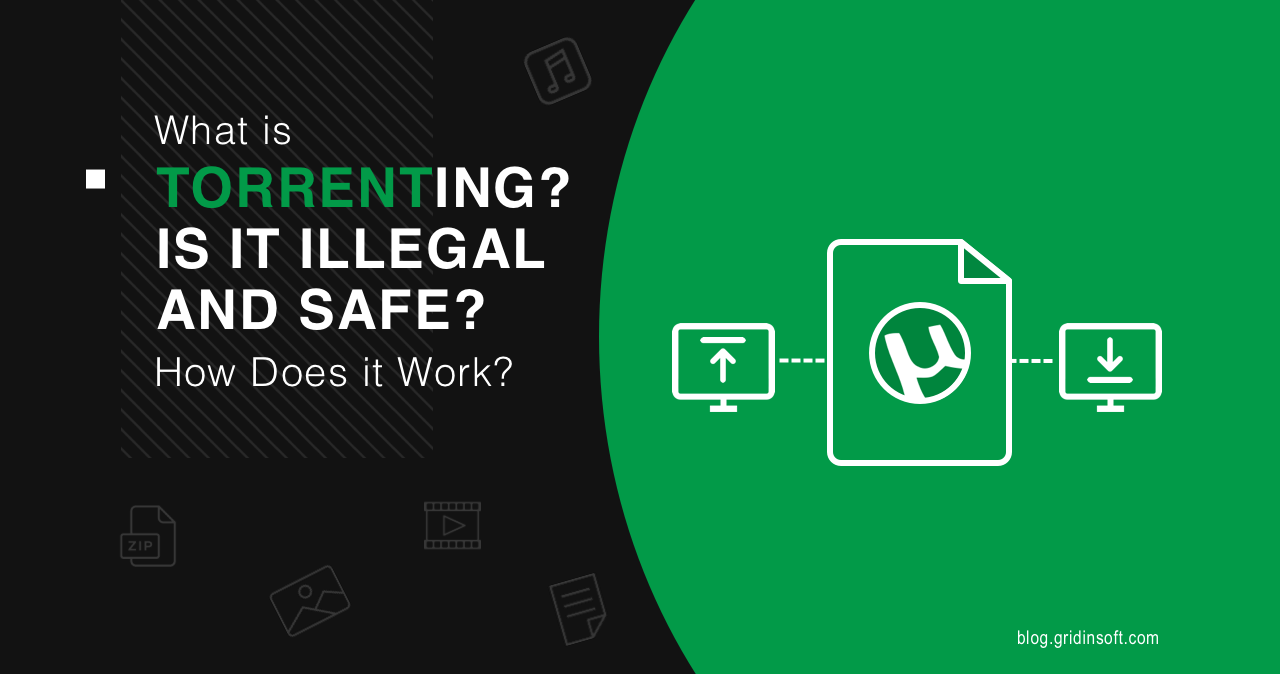
Torrenting refers to the process of downloading files via a peer-to-peer (P2P) network. Rather than downloading a file from a single server, the file is downloaded in small pieces from multiple users simultaneously. This not only speeds up the download process but also reduces the burden on any single server. Despite its advantages, torrenting often involves sharing copyrighted material without permission, which can lead to various legal issues.

The Legal Framework Surrounding Torrenting in the UAE
The UAE has some of the strictest laws governing internet usage in the world. The Telecommunications and Digital Government Regulatory Authority (TDRA) regulates online activities and ensures compliance with federal laws. Under UAE law, downloading or distributing copyrighted material without the permission of the rights holder is illegal and can result in heavy fines and incarceration. The penalties can range from fines of AED 50,000 to AED 1,000,000, depending on the severity of the infringement.
Risks of Torrenting in the UAE
Several risks are associated with torrenting in the UAE:
- Legal Consequences: As mentioned, torrenting copyrighted materials can lead to severe legal repercussions, including hefty fines and possible jail time.
- ISP Monitoring: Internet Service Providers (ISPs) in the UAE monitor internet traffic to prevent violations. If they detect torrenting activity, they may take action against the user.
- Malware Risks: Many torrent files are infected with viruses and malware that can compromise your device’s security.
- Public Scrutiny: Torrenting can attract unwanted attention from authorities and may result in a damaged reputation.
Alternatives to Torrenting
For those in the UAE seeking to access content without engaging in torrenting, several legal alternatives exist:
- Streaming Services: Platforms such as Netflix, Amazon Prime Video, and Disney+ offer a wide range of content for a subscription fee.
- Digital Purchase: Instead of downloading via torrent, consider purchasing or renting films and music from legitimate platforms such as YouTube, iTunes, or Google Play.
- Public Domain Content: There are numerous websites offering free downloads of public domain films, books, and music that are completely legal.
Using a VPN to Navigate the Risks
While using a Virtual Private Network (VPN) can help mask your IP address and encrypt your internet connection, it’s important to note that VPNs cannot make illegal activities legal. Users in the UAE must exercise caution when utilizing a VPN for torrenting, as authorities may still impose penalties if they detect illegal activity despite the use of encryption.
Conclusion
In summary, while torrenting may appear to be a convenient way to access digital content, it comes with significant legal risks in the UAE that users should not overlook. Engaging in such activities can lead to severe penalties that could impact one’s future. Fortunately, there are numerous legal alternatives available that provide access to a wealth of content without the risks associated with torrenting. Always stay informed about the legal landscape and consider safer options for your online media consumption.