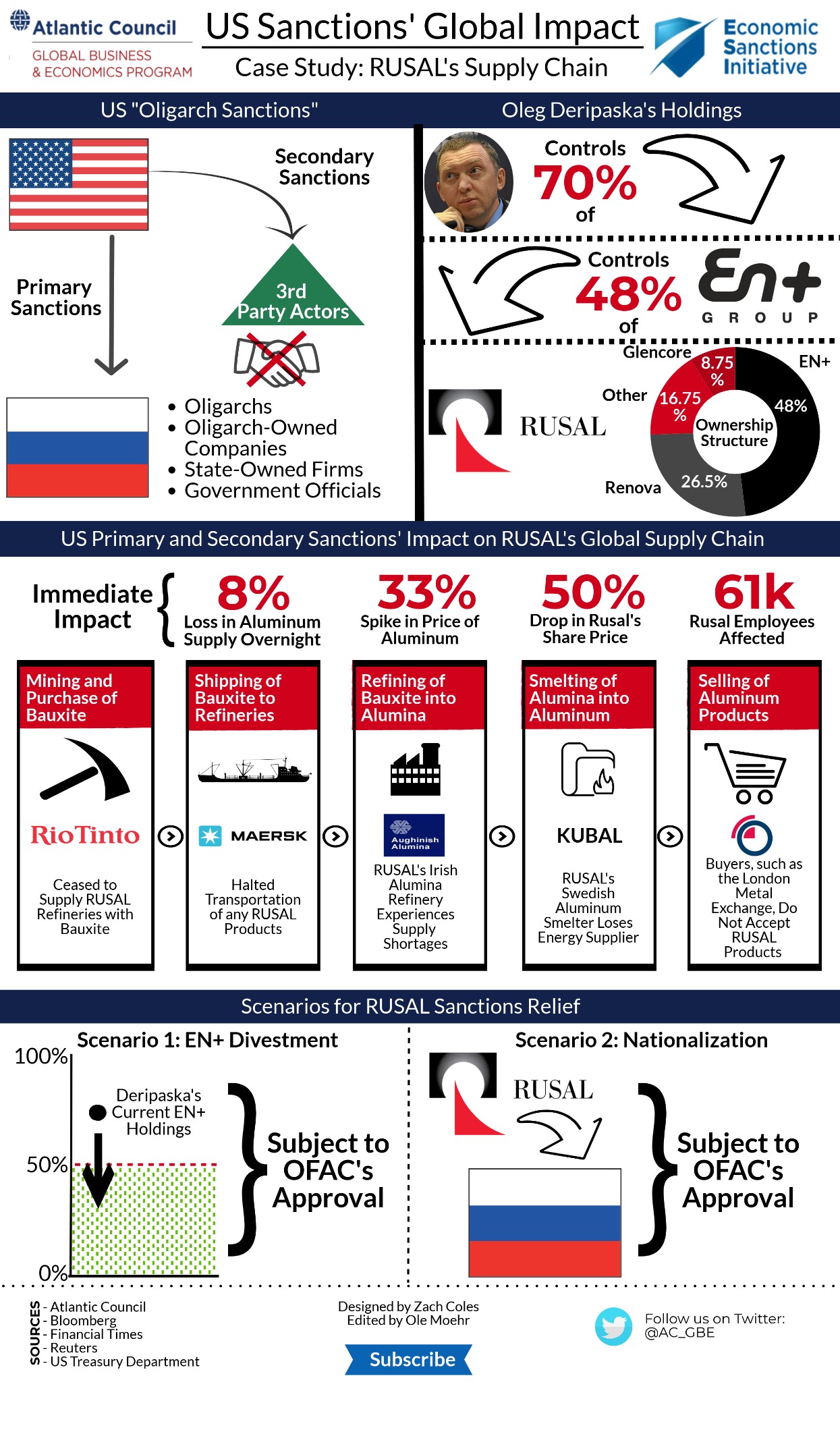
Sanctions programs are critical tools used by countries and international organizations to influence the behavior of nations, entities, or individuals. These measures can vary significantly in scale and scope, with the primary aim of promoting peace and stability in geopolitical conflicts. This sanctions programs overview will delve into the foundations of such programs, their categories, and their implications on the global stage.
What Are Sanctions?
Sanctions are restrictive measures imposed by countries or international organizations to achieve foreign policy goals. They are often enacted in response to actions that threaten peace, violate international laws, or undermine global security. Sanctions can take various forms, from economic penalties and trade restrictions to travel bans and diplomatic sanctions.

Types of Sanctions
Sanctions can broadly be classified into several categories:
-
Economic Sanctions
These involve the imposition of trade barriers, tariffs, or restrictions on financial transactions. Economic sanctions aim to weaken the target’s economy, thereby altering its behavior.
-
Military Sanctions
Military sanctions may include arms embargoes, restrictions on military cooperation, or support for opposition groups. Their goal is to prevent conflict escalation or to apply pressure on governments engaged in hostilities.
-
Diplomatic Sanctions
Diplomatic sanctions can manifest as the withdrawal of ambassadors or restrictions on diplomatic relations. Such measures serve as a signal of disapproval and can isolate the offending nation in the international community.
-
Travel Bans
Travel bans typically target specific individuals, restricting their ability to travel to sanctioned countries. This method aims to penalize key figures without broadly impacting the general population.
-
Sectoral Sanctions
These sanctions focus on specific sectors of an economy, such as energy, finance, or technology. By limiting access to certain markets or resources, sectoral sanctions aim to weaken the target’s strategic capabilities.
International Legal Framework
Sanctions are often implemented within a legal framework established by international law. Organizations like the United Nations (UN) and regional bodies, such as the European Union (EU), frequently utilize sanctions as part of their efforts to maintain international peace and security. The UN Security Council may impose sanctions against a state for non-compliance with its resolutions, while the EU can adopt its own measures based on a consensus among member states.
The Purpose of Sanctions
The primary objective of sanctions is to compel a change in behavior. They aim to:
-
Prevent Violations
Sanctions can act as a deterrent by showing that the international community will not tolerate violations of international law.
-
Support Peace Negotiations
By applying pressure, sanctions can encourage warring parties to return to the negotiating table and seek peaceful resolutions.
-
Promote Human Rights
Sanctions are sometimes used to press governments to improve human rights practices, ensuring that individuals’ rights are respected.
-
Signal Disapproval
Sanctions serve as a public statement of disapproval from the international community, highlighting unacceptable behaviors.
Challenges and Criticisms of Sanctions
While sanctions aim to protect peace and promote global norms, they are not without challenges and criticisms:
-
Humanitarian Impact
Many argue that sanctions disproportionately affect the civilian population rather than the ruling elites they are targeting. This can lead to humanitarian crises, as access to essential goods and services becomes limited.
-
Effectiveness
The effectiveness of sanctions in achieving their intended goals is often debated. Critics question whether sanctions persuade governments to change their behaviors or if they entrench them further.
-
Unintended Consequences
Sanctions can lead to unintended outcomes, such as strengthening anti-Western sentiments or driving the targeted country closer to other non-compliant nations. This can create new alliances that undermine the initial purpose of the sanctions.
Case Studies
A closer look at specific case studies can help illustrate the impacts and outcomes of sanctions:
The Case of North Korea
North Korea has faced international sanctions aimed at curbing its nuclear weapons program. These sanctions have targeted its economy, banking sector, and trade relationships. While they have succeeded in isolating North Korea, the regime has continued its missile tests, raising questions about the sanctions’ overall effectiveness.
The Case of Iran
Iran has faced sanctions primarily due to its nuclear program. Diplomatic efforts culminated in the 2015 Joint Comprehensive Plan of Action (JCPOA), which lifted some sanctions in exchange for Iran limiting its nuclear activities. However, subsequent withdrawal of the US from the agreement in 2018 led to the re-imposition of sanctions, illustrating the complex dynamics involved in sanction reliance.
Sanctions in the Modern World
In the contemporary landscape, sanctions are increasingly used not only for traditional state-centric issues but also in response to cyber threats, election interference, and human rights violations. As the geopolitical climate evolves, so too will the methodologies for imposing and enforcing sanctions.
Conclusion
Sanctions programs offer a means for states and international organizations to respond to violations of international norms and promote stability. Understanding their complexities, impacts, and challenges is essential for both policymakers and the public. As the global landscape continues to shift, the role of sanctions remains a critical area for continued examination and adaptation.