
The Office of Foreign Assets Control (OFAC) plays a crucial role in the U.S. government’s efforts to enforce economic and trade sanctions against targeted foreign countries and regimes, terrorists, international narcotics traffickers, and those engaged in activities related to the proliferation of weapons of mass destruction. Organizations must be vigilant and informed about various OFAC red flags https://dennisjernigan.com/media/pgs/?ofac-red-flags-what-to-watch-for.html to comply with these regulations and avoid hefty fines and legal repercussions.
What Are OFAC Red Flags?
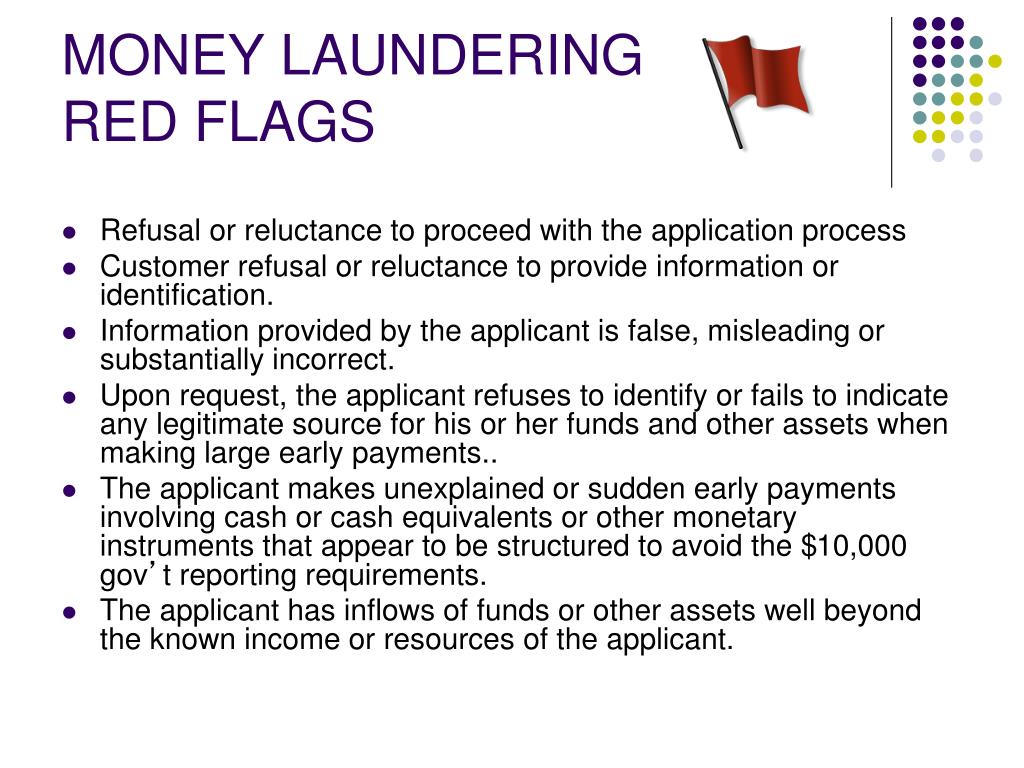
OFAC red flags are warning signs or indicators that suggest a potential violation of the regulations put forth by the OFAC. Recognizing these flags is crucial for compliance officers and businesses engaged in international trade, as they significantly reduce the risk of inadvertently enabling sanctioned activities. These flags can arise during customer onboarding, transaction monitoring, and ongoing due diligence processes.
Common OFAC Red Flags
Here are some common red flags to look for while conducting OFAC compliance checks:
1. Sanctioned Country Presence
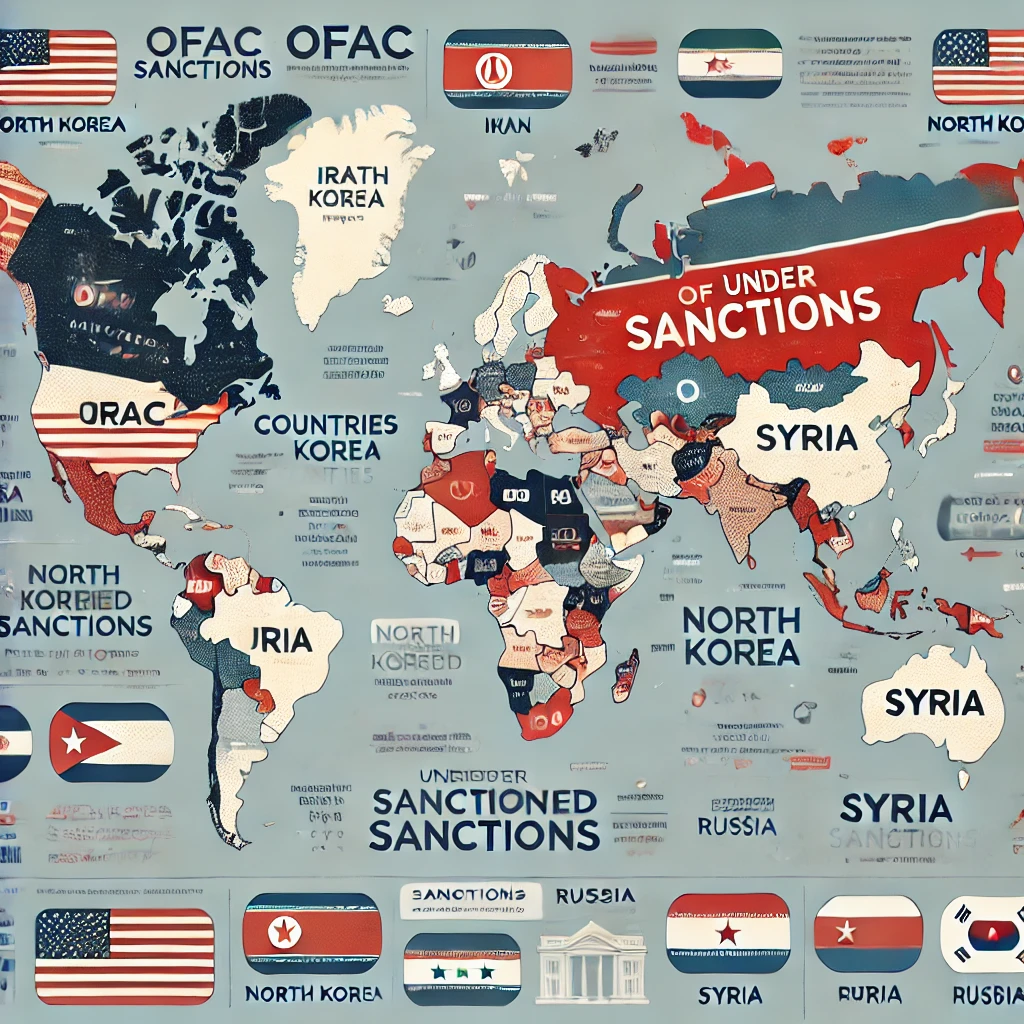
Any perceived business relationship or transaction involving a sanctioned country is a significant red flag. This can include the country of the transacting parties, their ultimate beneficial owners, or the country of the goods being exported/imported. Comprehensive due diligence on the parties involved can help in identifying potential sanctions issues.
2. Unusual Transaction Patterns
Transactions that deviate from the normal pattern of business, such as excessive frequency, size, or complexity, should be closely scrutinized. For example, a sudden influx of large transactions from a new client warrants further investigation to ensure their legitimacy.
3. Lack of Transparency
If customers or partners are unwilling to provide necessary documentation or information regarding the source of funds, it raises immediate concerns about potential OFAC violations. Transparency is key to building trust and ensuring compliance.
4. Use of Shell Companies
Transactions conducted through shell companies or entities with no clear purpose or operating history present a red flag. These arrangements might be designed to obscure the true owners and beneficiaries, making it crucial to perform thorough due diligence.
5. High-Risk Jurisdictions
Engaging with businesses or individuals based in high-risk jurisdictions, particularly those known for weak anti-money laundering (AML) controls, can indicate a possible OFAC risk. Maintaining an updated list of countries considered high-risk is vital for compliance efforts.
6. Negative Media Coverage
Negative media coverage about a potential customer or business partner relating to international sanctions, financial fraud, or other illegal activities can be a critical red flag. Organizations should conduct media checks as part of their due diligence process.
7. Inconsistencies in Documentation
Inconsistencies in the documentation provided during the onboarding process can signal potential issues. For example, mismatched addresses, varying names, or differences in signature patterns can necessitate further investigation.
8. Refusal to Provide Information
A customer’s refusal to provide necessary information or participate in due diligence requests can indicate potential risks. Organizations should have policies in place to manage situations where customers do not cooperate.
Managing OFAC Red Flags
Organizations must proactively manage and respond to these red flags as part of their compliance framework. Here are some best practices:
1. Comprehensive Risk Assessments
Implement regular risk assessments that evaluate the organization’s exposure to OFAC risks. This can help identify high-risk areas requiring enhanced due diligence.
2. Training and Awareness Programs
Establish training programs for employees, particularly for those in compliance, legal, and financial roles. Whenever OFAC updates its regulations or appears in the news, educating staff about the implications is critical.
3. Strong Monitoring Systems
Implement robust transaction monitoring systems that can flag suspicious activities in real-time. This allows for immediate investigation and reduces the risk of violations.
4. Policies and Procedures
Develop clear policies and procedures for compliance, which should include protocols for identifying and responding to red flags effectively. This framework should be regularly reviewed and updated.
5. Create a Reporting Mechanism
Establish a confidential reporting mechanism that allows employees to report suspicious activity without fear of retaliation. Creating an environment that promotes transparency can lead to early identification of issues.
Conclusion
Staying compliant with OFAC regulations is essential for organizations engaging in international trade or financial services. Understanding and recognizing OFAC red flags can play a critical role in maintaining compliance and avoiding costly violations. By implementing best practices and fostering a culture of awareness and diligence, businesses can navigate the complexities of OFAC regulations while protecting themselves from potential risks.